Coliving in New York City: a smarter way to live in the world’s most dynamic metropolis
Why New York is the coliving capital of the world
New York City has always attracted dreamers, creators, and ambitious professionals from every corner of the globe. But the city’s legendary energy comes with a price tag that can be brutal for newcomers: the median rent for a one-bedroom apartment in Manhattan now exceeds $4,000 per month, while Brooklyn and Queens offer little relief with median rents consistently above $2,500.
In this context, coliving has emerged as one of the most compelling answers to the NYC housing challenge. By sharing beautifully designed homes with a curated community of like-minded individuals, residents gain access to exceptional living spaces at a fraction of the cost of traditional solo rentals.
What makes coliving different from traditional roommates
The term ‘coliving’ is sometimes used interchangeably with ‘roommates’, but the two concepts are fundamentally different in both design and philosophy. Traditional roommate arrangements involve individuals independently finding each other and splitting costs in an apartment. Coliving, on the other hand, is a professionally managed experience designed from the ground up for communal living.
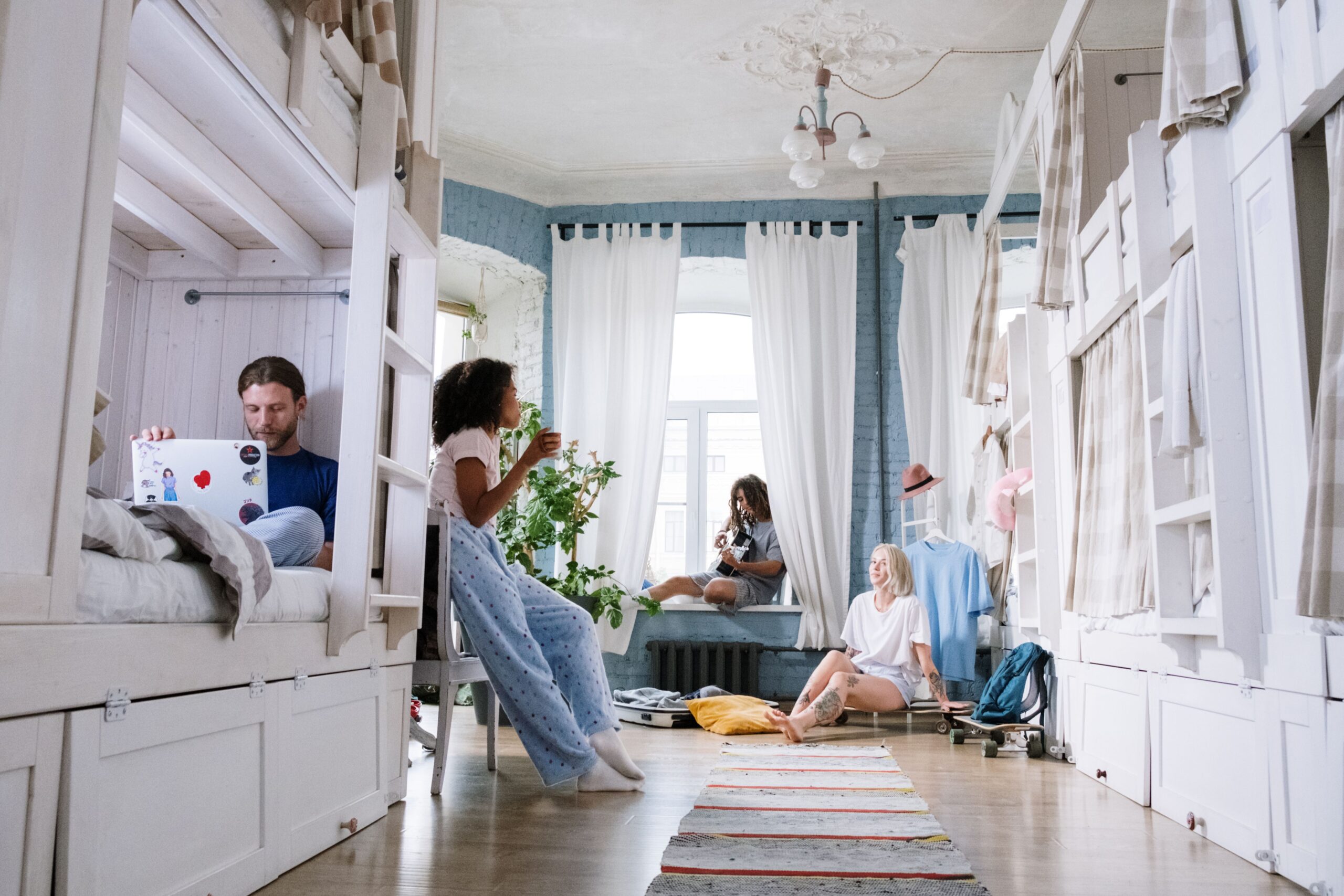
In a coliving home, private bedrooms are fully furnished and designed for comfort, while shared spaces — kitchens, living rooms, outdoor terraces — are curated to encourage meaningful interaction. Services such as high-speed internet, cleaning of common areas, and utilities are typically included in a single monthly fee.
Platforms offering coliving new york experiences go even further, building genuine communities through shared events, professional networking opportunities, and a screening process that ensures a compatible mix of residents.
The New York neighborhoods where coliving thrives
Coliving spaces in New York City are concentrated in neighborhoods that combine strong public transit access, cultural vibrancy, and a thriving professional ecosystem.
Brooklyn — particularly neighborhoods like Williamsburg, Bushwick, and Crown Heights — has become a hotspot for coliving spaces that cater to creative professionals, tech workers, and entrepreneurs. Manhattan neighborhoods like the East Village, Hell’s Kitchen, and Harlem also host numerous coliving properties, offering the prestige of a Manhattan address at a more manageable cost.
Queens, long overlooked in favor of its more glamorous neighbors, is increasingly attracting coliving operators thanks to its cultural diversity, proximity to major airports, and more affordable real estate.
The financial case for coliving in NYC
The economics of coliving in New York City are compelling when examined carefully. While the monthly cost of a coliving room (typically $1,800 to $2,800 per month in premium spaces) may seem high in absolute terms, it needs to be compared against the true cost of alternative options.
- Solo studio apartment in Manhattan: $3,500 to $5,000/month, unfurnished, utilities not included
- Traditional roommate setup: typically $1,500 to $2,500/month, but with significant setup costs (furniture, deposits) and no community support
- Coliving room: $1,800 to $2,800/month, fully furnished, all utilities included, community and services provided
«Cohabs helps individuals find a better way to live in the city, through beautifully designed, fully furnished colivings across Brussels, Paris, New York, London, Madrid, Luxembourg, Milan, Washington DC, and Marseille. The company takes care of everything — weekly cleaning, community events, household supplies, and a mobile app to manage your entire stay — so members can focus on living, not logistics. As a B Corp-certified operator with over 4,000 bedrooms and flexible leases starting from three months, Cohabs makes high-quality, community-driven housing accessible in the neighbourhoods that matter most.»
Who chooses coliving in New York?
The coliving community in NYC is as diverse as the city itself. While early adopters of the concept were primarily young professionals in their mid-twenties, the demographic has expanded significantly. Today, coliving spaces in New York attract remote workers who relocated to the city and want a built-in social circle, entrepreneurs building startups who value the networking opportunities that come with a curated community, international professionals on work visas who need a flexible, hassle-free housing solution, and creative artists and freelancers who appreciate the cultural environment that good coliving spaces foster.