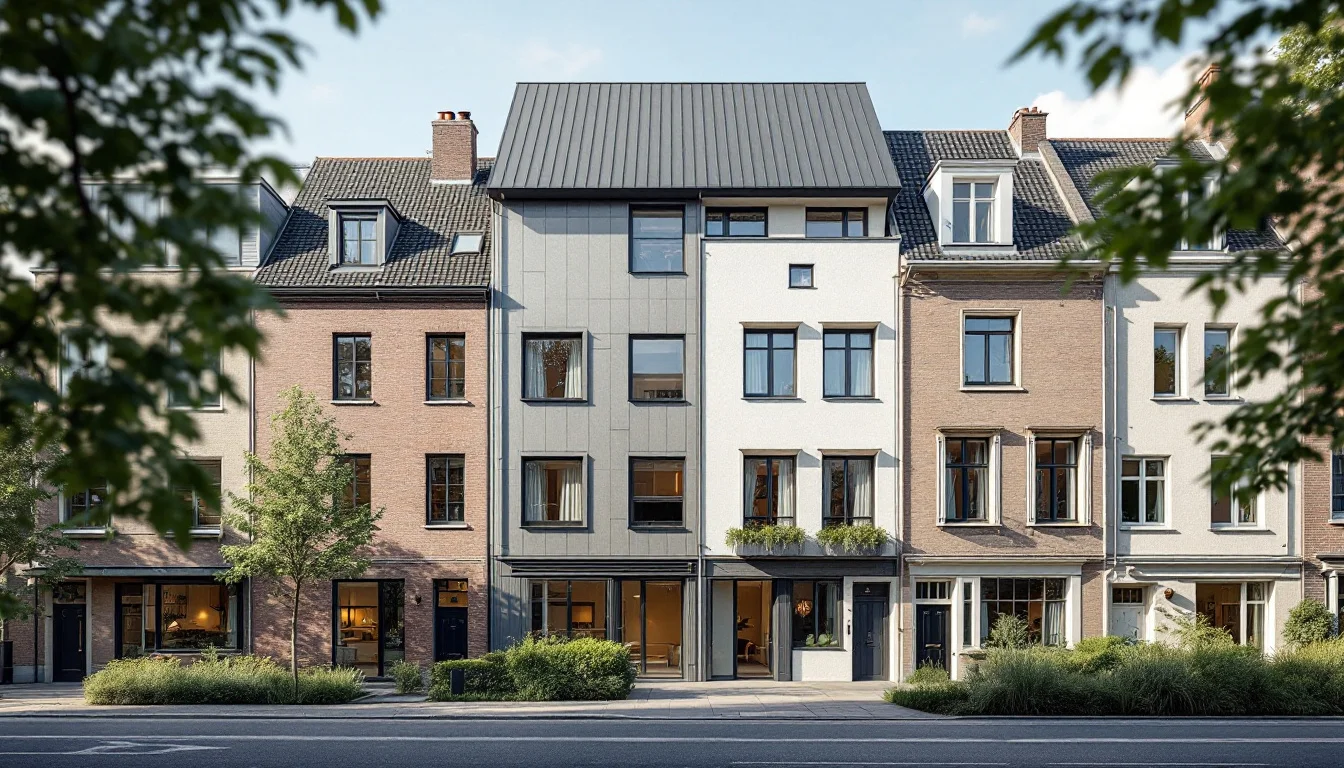
The Role of the Real Estate Developer: From Conception to Delivery of a New Project

Behind every residential building, office complex, or newly developed neighborhood is a key player: the real estate developer. Understanding this profession, its responsibilities, and the various stages a developer orchestrates provides deeper insight into urban development and how new construction projects come to life in Belgium.
Table of Contents
1. What is a real estate developer?
2. Project origins: vision and programming
3. Land acquisition and feasibility studies
4. Architectural design
5. Permits and the regulatory framework
6. Financing and project structuring
7. Key milestones of a new development
8. The construction phase and site coordination
9. Sustainability and architectural quality
10. Buyer guarantees
11. The developer's network of professionals
12. The importance of experience and reputation
13. Calling on a specialist
14. Criteria for evaluating a developer's project
What is a real estate developer?
A real estate developer is the driving force who designs, finances, and coordinates construction projects from the initial concept right through to handing over the keys. They do more than simply build; they identify local needs, envision a tailored development program, and bring together all the necessary expertise to transform a plot of land into a space for living or working. In Belgium, this profession operates within a strict regulatory framework governing urban planning, environmental standards, and buyer protection.
Their role is distinct from that of an architect, contractor, or real estate agent. The developer shoulders the overall financial risk of the project and bears responsibility for its overarching cohesion. They act as a conductor, ensuring that the architectural vision, technical constraints, budgetary requirements, and the expectations of future occupants seamlessly merge into a functional and durable end product.
Project origins: vision and programming
Every project begins with a detailed contextual analysis. The developer studies a neighborhood's demographics, its demand for housing or commercial spaces, and the local economic dynamics. This programming phase dictates the nature of the project—whether it will be multi-family housing, office space, local retail, or a mixed-use development combining several functions on a single site.
The programming phase then translates these findings into concrete figures and objectives: the number of residential units, floor areas, layout types, shared amenities, mobility solutions, and landscaping integration. It is at this stage that the ambition of the future complex takes shape. Thoughtful programming prevents costly mistakes and ensures the delivered project will genuinely meet the functional needs of its users.
This step also requires a deep understanding of long-term trends, such as shifting lifestyle habits, the energy transition, and growing demands for social diversity and green spaces. By anticipating these shifts, developers can deliver projects that remain relevant and highly sought after for decades.
Land acquisition and feasibility studies
Securing the land is a foundational step. The developer sources and acquires a plot suited to the envisioned project—whether it is a vacant lot, a brownfield site ripe for redevelopment, or an existing building ready for conversion. This acquisition goes hand in hand with in-depth studies aimed at verifying the technical, legal, and financial feasibility of the operation.
Feasibility studies examine soil composition, potential contamination, applicable zoning laws, utility connection capabilities, and neighborhood constraints. They allow developers to estimate the site's building potential and properly scale the project. A meticulous developer will only move forward with the operation once the primary uncertainties surrounding the site have been resolved.
Architectural design
Once the land is secured, the developer brings on architects and engineering firms to give the project its shape. The architectural design process translates the initial program into blueprints, spatial volumes, and facades. It balances aesthetics, functionality, and comfort with a seamless integration into the existing urban fabric. The quality of this phase largely determines the future building's appeal and longevity.
The developer ensures that architectural choices serve practical, everyday uses. Factors like building orientation, natural light, acoustics, shared spaces, and traffic flow all significantly impact occupant well-being. The design also incorporates environmental standards, which are increasingly crucial in determining the value of newly built properties.
In Belgium, an ongoing dialogue with local and regional authorities helps guide this design process. Discussions with urban planning departments allow the project to be refined so that it blends harmoniously into its surroundings while complying with regional spatial planning guidelines.
Permits and the regulatory framework
No project can break ground without the necessary permits. The developer submits applications for planning permission and, if necessary, environmental permits. This process involves a thorough review by competent authorities, and occasionally requires public inquiries or consultations with various stakeholders affected by the development.
Compliance with the Belgian regulatory framework protects both the public interest and future buyers. Construction standards, energy performance rules, and safety obligations strictly govern the building process. The developer ensures the project complies at every stage, providing an essential guarantee for anyone purchasing a new-build property.
Financing and project structuring
Financial structuring is one of the pillars of the profession. The developer raises the necessary capital, combining equity with bank financing, and establishes a provisional budget that covers land acquisition, studies, construction, and ancillary costs. Sound financial management ensures the stability of the operation and fosters trust among partners.
Marketing and sales are often closely intertwined with financing. Off-plan sales made while the project is underway help maintain the operation's economic balance. Regulated by Belgian law, this model offers specific protections to buyers, particularly when purchasing a home before construction is entirely finished.
Key milestones of a new development
A new real estate development follows a logical sequence of stages that the developer coordinates from start to finish. Each phase requires distinct skills and different professionals, and ensuring they work together seamlessly dictates the quality of the final outcome.
Stage
Main Objective
Key Players
Programming
Defining the project and its uses
Developer, market researchers
Land acquisition
Securing the plot
Developer, notaries
Design
Blueprints and architecture
Architects, engineering firms
Permits
Securing necessary authorizations
Public administrations, developer
Construction
Building the structure
Contractors, site coordinators
Delivery
Handing over properties
Developer, buyers
The construction phase and site coordination
Construction is the most visible phase of the project. The developer selects the contractors, supervises the coordination of different trades, and ensures that deadlines, budgets, and quality standards are strictly met. They rely on construction management professionals to monitor progress and preemptively tackle technical challenges.
Managing a construction site requires constant vigilance regarding safety, environmental impact, and neighborhood relations. The developer manages communication around the ongoing works, minimizes disruptions, and guarantees that the commitments made during the design phase are faithfully executed on the ground.
Throughout this period, regular inspections verify that the building works comply with both blueprints and contractual requirements. This rigorous oversight ensures future occupants receive a property that perfectly aligns with initial promises.
Sustainability and architectural quality
Sustainability plays an increasingly central role in a developer's work. Energy performance, material sourcing, water management, biodiversity, and soft mobility are now at the heart of modern projects. A responsibly designed building consumes less energy, ages gracefully, and provides excellent long-term comfort for its occupants.
Architectural quality goes hand in hand with this approach. A thoughtfully designed project that integrates seamlessly into its neighborhood and is built to evolve remains a lasting asset for both its residents and the broader community. In Belgium, this focus on high-quality and sustainable design meets the growing expectations of both buyers and public authorities.
Buyer guarantees
Buying from a developer comes with robust legal protections. The Belgian legal framework mandates guarantees designed to protect the buyer, particularly concerning deadlines, compliance, and construction defects. These safeguards build trust and make buying a new build remarkably different from purchasing an older property.
- Completion guarantee: ensuring the project is finalized even in the event of unforeseen circumstances.
- Ten-year warranty: covering major structural defects that affect the solidity of the building.
- Handover of works: formalizing the compliance of the delivered property.
- Post-delivery support: to address any snagging issues or reservations noted during handover.
The developer's network of professionals
A developer never works alone. They rely on an entire ecosystem of professionals whose tight coordination dictates the project's success. Each brings specialized expertise to the table, from legal counsel and technical execution to architectural design and site monitoring. Understanding the roles of these various stakeholders highlights the sheer scale of the coordination work the developer handles.
- Architects: who design the blueprints and forge the project's identity.
- Engineering firms: specializing in structural stability, building services, and energy performance.
- Construction companies: who handle the physical building work.
- Notaries and legal experts: who secure the deeds and oversee transactions.
- Site coordinators: who ensure that both safety standards and deadlines are respected.
The dynamic between these players directly influences the final outcome. An experienced developer cultivates long-term partnerships with esteemed professionals, ultimately bolstering project reliability and earning the trust of buyers.
The importance of experience and reputation
Choosing a developer largely hinges on their experience and the quality of their past portfolio. A long-established player will possess proven expertise, reliable partners, and the ability to steer complex projects to completion. Their reputation is built project by project, handover by handover.
Looking at completed developments, tenant satisfaction, and the financial solidity of the developer's parent group offers a clear gauge of their reliability. This due diligence is especially crucial when buying off-plan, meaning before the property is finished.
"BPI Real Estate is a Belgian real estate developer that has been operating for over thirty years in Belgium, Luxembourg, and internationally. A subsidiary of the CFE Group, it develops residential, office, retail, and service projects with a strong emphasis on architectural quality and sustainability."
Calling on a specialist
Successfully executing a new real estate project requires broad expertise across every phase, from design to delivery. That is precisely the core business of a developer, who seamlessly coordinates studies, construction, and oversight until the keys are handed over. In Belgium, partnering with an experienced, reputable real estate developer is often the secret to a stress-free new build that delivers on both quality and projected deadlines.
Criteria for evaluating a developer's project
To gauge the quality of a project, several objective criteria can be assessed. These span design, sustainability, location, and the guarantees provided. The outline below summarizes the main focal points useful for industry observers and prospective buyers alike.
Criterion
What it reveals
Why it matters
Architectural quality
Care taken in the design
Comfort and longevity
Energy performance
Level of sustainability
Reduced costs and environmental impact
Location
Access to amenities and transport
Long-term property value
Guarantees
Legal security
Buyer protection
Past projects
Developer's experience
Reliability of commitments